Human Rights

When the Children Become the Target

A UN Commission of Inquiry concluded that Israeli forces deliberately targeted Palestinian children in Gaza, killing at least 20,179 since October 2023, constituting genocide and crimes against humanity. The report examined evidence including witness testimony, forensic data and military analysis, rejecting claims of collateral damage.

Multilateralism & Unilateralism

Trump should foot the bill for rebuilding Venezuela after earthquake disaster

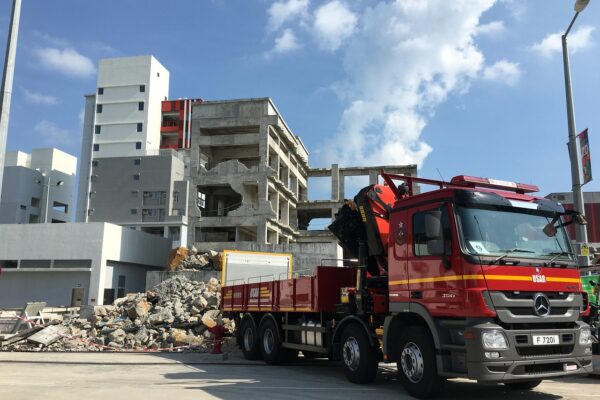
Devastating earthquakes struck Venezuela on June 24, killing at least 1,450 people, compounding a crisis worsened by U.S. sanctions and a January 2026 U.S. invasion that removed President Nicolás Maduro. The article argues the U.S. should lift sanctions and fund reconstruction given its role in destabilizing the country.

Multilateralism & Unilateralism

Rebranding French imperialism

France hosted the Africa Forward Summit in Kenya to rebrand its declining influence across the continent after losing military and economic control in West Africa, while presenting itself as an equal partner despite historical extraction patterns that benefit foreign capital over African interests.

Human Rights

EU’s Taliban talks crack the facade of a principled policy

The European Union hosted Taliban representatives in Brussels for technical talks on migration and asylum returns, marking the first EU-hosted engagement with the group since 2021. Rights organizations warned that deportation cooperation risks legitimizing the Taliban regime amid severe restrictions on Afghan women and girls.

Multilateralism & Unilateralism

Stop ‘Greater Israel’ to make peace

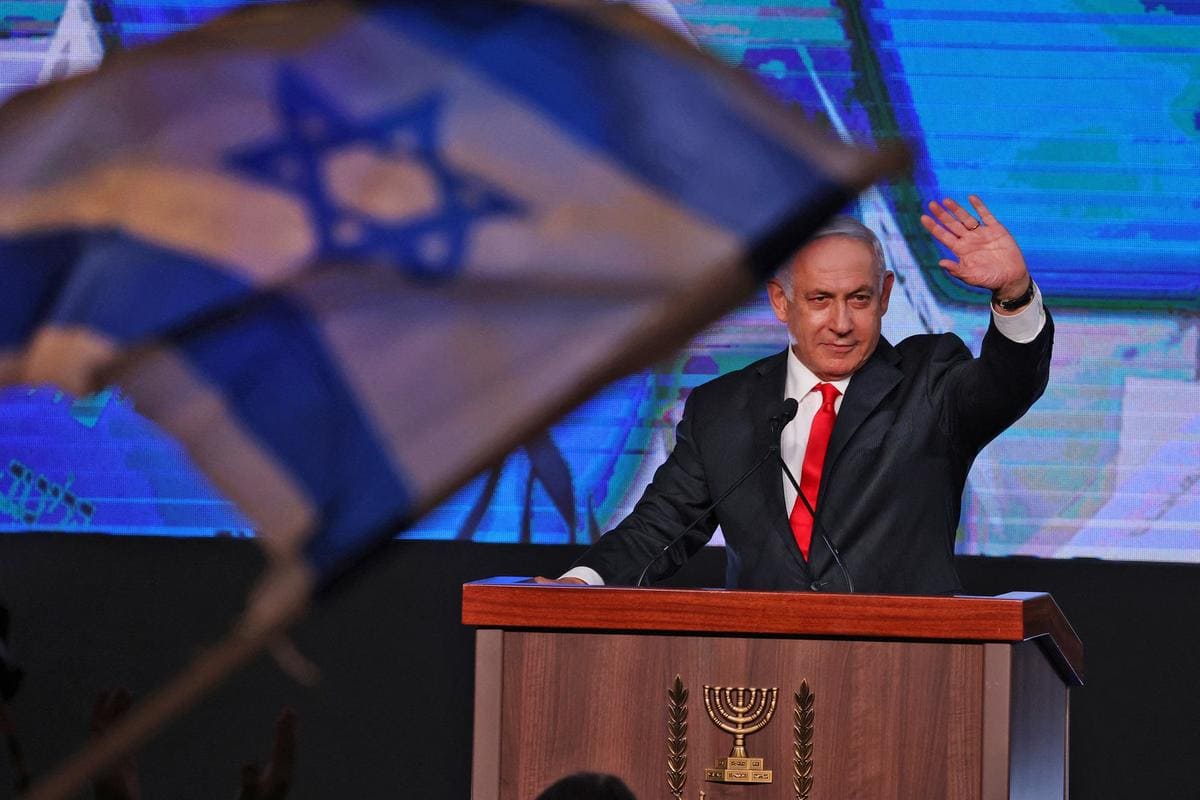
A recent US-Iran ceasefire agreement offers hope for ending Middle Eastern conflicts, but the authors warn that Israel’s “Greater Israel” ideology—seeking territorial expansion from the Jordan River to the Mediterranean—continues driving regional wars and threatening Israel’s survival and global standing.

Multilateralism & Unilateralism

Germany, Japan and the Return of Military Power (Part III)

Germany and Japan are dramatically increasing military spending and capabilities in response to security threats, but face a critical challenge: whether they can rearm without becoming militarized societies. As the generations that lived through World War II fade, these former Axis powers must preserve the democratic restraint that defined their postwar identities while strengthening defenses against Russia and China.